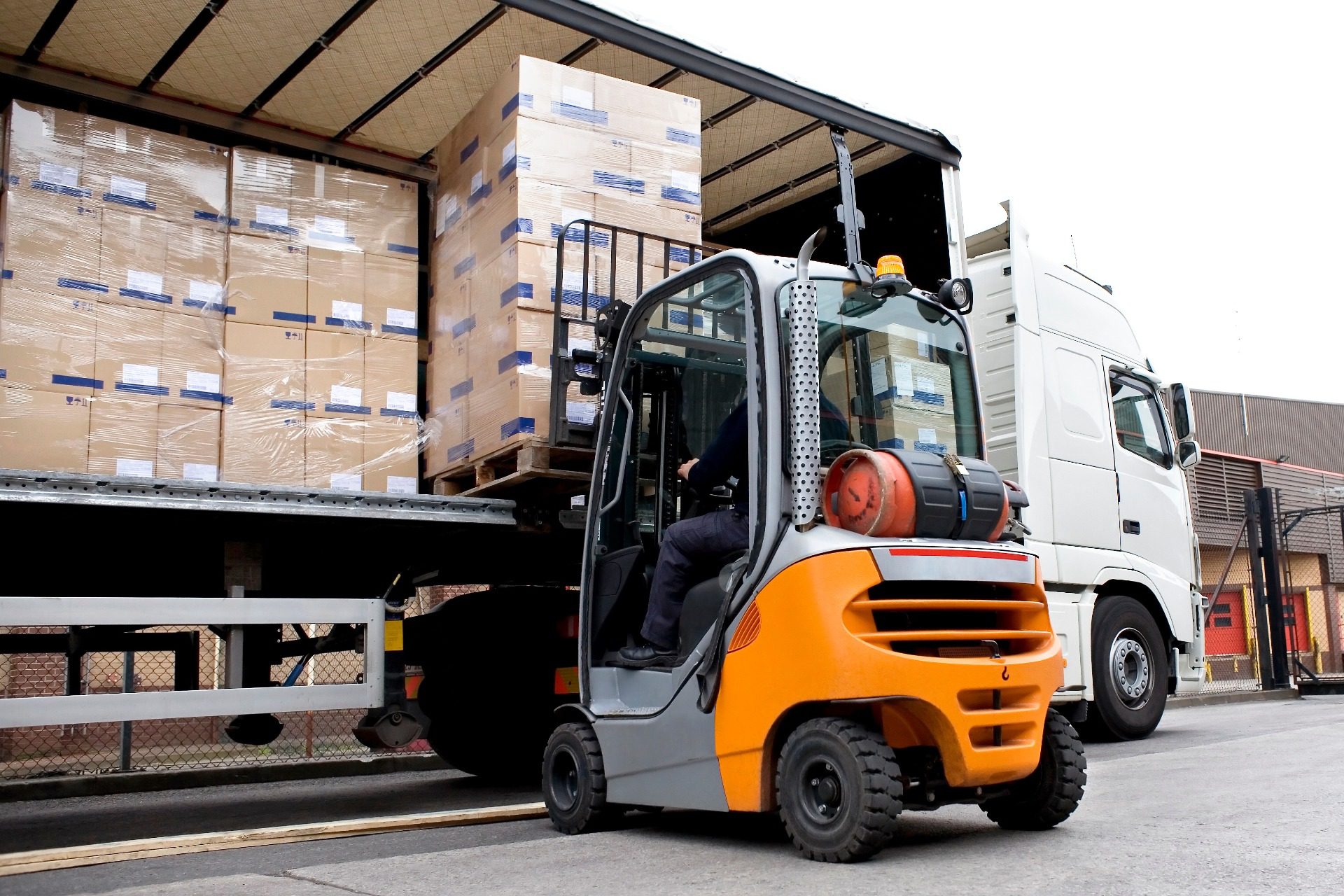

To sell to Costco, you need buyer approval for a club-pack item, EDI capability for purchase orders, ship notices, and invoices, and a supply chain that delivers floor-ready pallets to Costco’s regional depots on schedule. Costco cross-docks product through its depots, so every pallet must arrive on a 48×40 block pallet, built to Costco’s height and labeling rules, and ready to roll straight onto the warehouse floor. Most brands use a 3PL with retail compliance experience to build pallets, manage EDI, and book depot appointments.
This guide is for CPG, food, household, and consumer product brands preparing their first Costco purchase order. It covers how to get approved, what Costco requires, the mistakes that lead to rejected loads, and how ShipCalm’s retail vendor compliance services help brands launch.
How Do You Become a Costco Vendor?
You become a Costco vendor by convincing a Costco buyer that your product fits the club model: a high-value, multi-unit pack that sells quickly. Costco carries a limited number of items compared with a typical supermarket, so each slot is competitive.
- Build a club-specific item: Costco sells bulk packs and multi-unit bundles, so most brands create a new pack size or variety pack for the club channel.
- Reach a buyer: Submit through Costco’s vendor inquiry process on its corporate site, or work with a broker who already calls on Costco buyers in your category.
- Test with a regional launch or Roadshow: Many brands start in one Costco region or through an in-warehouse Roadshow event before a wider rollout.
- Complete vendor setup: Once approved, you’ll sign Costco’s vendor agreement, set up EDI, and receive the packaging and delivery requirements for your region.
- Ship your first PO: Product moves to the assigned depot by a must-arrive-by date, then out to warehouses.
What Are Costco’s Vendor Requirements?
Costco’s requirements center on one idea: your packaging and pallet are the store display. Costco staff should not have to unpack, restack, or re-label anything.
- EDI: Costco trades purchase orders (EDI 850), advance ship notices (EDI 856), and invoices (EDI 810) electronically. See ShipCalm’s SPS Commerce integration for how EDI connects to fulfillment.
- Pallets: Costco requires 48×40 four-way block pallets, typically pooled CHEP, PECO, or iGPS. Stringer pallets are not accepted.
- Pallet height: Height limits depend on depot type and whether pallets are double-stacked. Packaging consultants commonly cite a 52-inch maximum for double-stacked dry pallets, including the pallet. Confirm the limit for your item with your buyer.
- Floor-ready builds: Pallets must be uniform, flush to the edges, stable as product sells down, and shoppable from the sides Costco specifies.
- Club-pack packaging: Packaging must be approved by the buyer, strong enough to stack, and clearly show the product and UPC.
- Labels: GS1-128 pallet labels with SSCC barcodes, placed per Costco’s instructions, plus accurate carton labels and country of origin marking.
- Depot delivery: Deliveries are booked by appointment at the assigned depot and must meet the must-arrive-by date (MABD) on the PO.
How Do Costco Depots Work?
Costco depots are cross-dock facilities. Inbound trucks are unloaded and the pallets are sent out to individual warehouses, often the same day, with little or no storage in between. That is why Costco is strict about pallet quality and builds. A pallet that can’t move straight through the depot slows the whole flow.
Depots are split between dry and refrigerated operations, and each has its own handling and height rules. Food and beverage brands shipping refrigerated product need a temperature-controlled supply chain from warehouse to depot. Brands selling bulky items on Costco.com may ship through Costco’s separate ecommerce network instead of the club depots.
Common Costco Mistakes That Lead to Rejected Loads
Most Costco problems happen at the depot dock, where non-compliant pallets can be refused. The most common causes:
- Wrong pallet type: Shipping on stringer pallets or damaged block pallets.
- Pallets over the height limit: Builds that exceed the depot’s maximum or can’t be double-stacked safely.
- Unstable builds: Overhang, gaps, or layers that shift during transit.
- Label errors: Missing or unreadable SSCC labels, or labels that don’t match the ASN.
- Missed appointments: Arriving late or outside the MABD window.
- Unapproved packaging changes: Changing case packs or graphics without buyer sign-off.
How a 3PL Helps You Launch at Costco
A 3PL takes on the physical and data work Costco expects, so your team can focus on the buyer relationship. Costco Wholesale is one of the retailers listed in ShipCalm’s retail integrations, and ShipCalm’s compliance team follows each retailer’s requirements on every shipment.
- Pallet builds: Floor-ready pallets built to Costco’s specifications, with photos before they ship.
- Club-pack assembly: Bundling, variety packs, and display builds through kitting and assembly services.
- EDI and labeling: POs, ASNs, and invoices flow through EDI, and SSCC labels are generated to match.
- Depot scheduling: Freight booked to arrive within the MABD window.
- Omnichannel inventory: Club, DTC, and marketplace orders ship from one inventory pool. Read more about omnichannel fulfillment.
Costco Launch Checklist
- Confirm your club-pack configuration and packaging with your buyer.
- Get your vendor number and complete EDI testing for the 850, 856, and 810.
- Source 48×40 block pallets from an approved pooling provider.
- Document your pallet pattern, height, and wrap specs, and test a sample build.
- Set up GS1-128 pallet labels and confirm label placement.
- Confirm your assigned depots and how to book appointments.
- Plan inventory for reorders so you can fill every PO.
FAQ
How hard is it to sell to Costco?
It is competitive because Costco carries far fewer items than a typical supermarket. Brands with a strong club-pack value, proven sales elsewhere, and a supply chain that can meet Costco’s pallet and delivery standards have the best chance.
What pallets does Costco require?
Costco requires 48×40 four-way block pallets, usually from pooled providers like CHEP, PECO, or iGPS. Pallets must be in good condition and built to Costco’s height and stacking rules for your depot.
Does Costco require EDI?
Yes. Costco vendors exchange purchase orders, advance ship notices, and invoices through EDI. A 3PL connected to an EDI provider like SPS Commerce can generate ship notices and labels directly from fulfillment data.
What is a Costco depot?
A Costco depot is a regional cross-dock that receives vendor pallets and sends them to Costco warehouses with little or no storage. Pallets must be floor-ready because depot staff move them straight through.
Conclusion
Selling to Costco takes buyer approval, EDI, and pallets built to roll straight from the depot to the warehouse floor. Brands that get the pallet builds, labels, and depot appointments right from the first PO protect their buyer relationship and their margins. Talk to ShipCalm about building a Costco-ready fulfillment program.